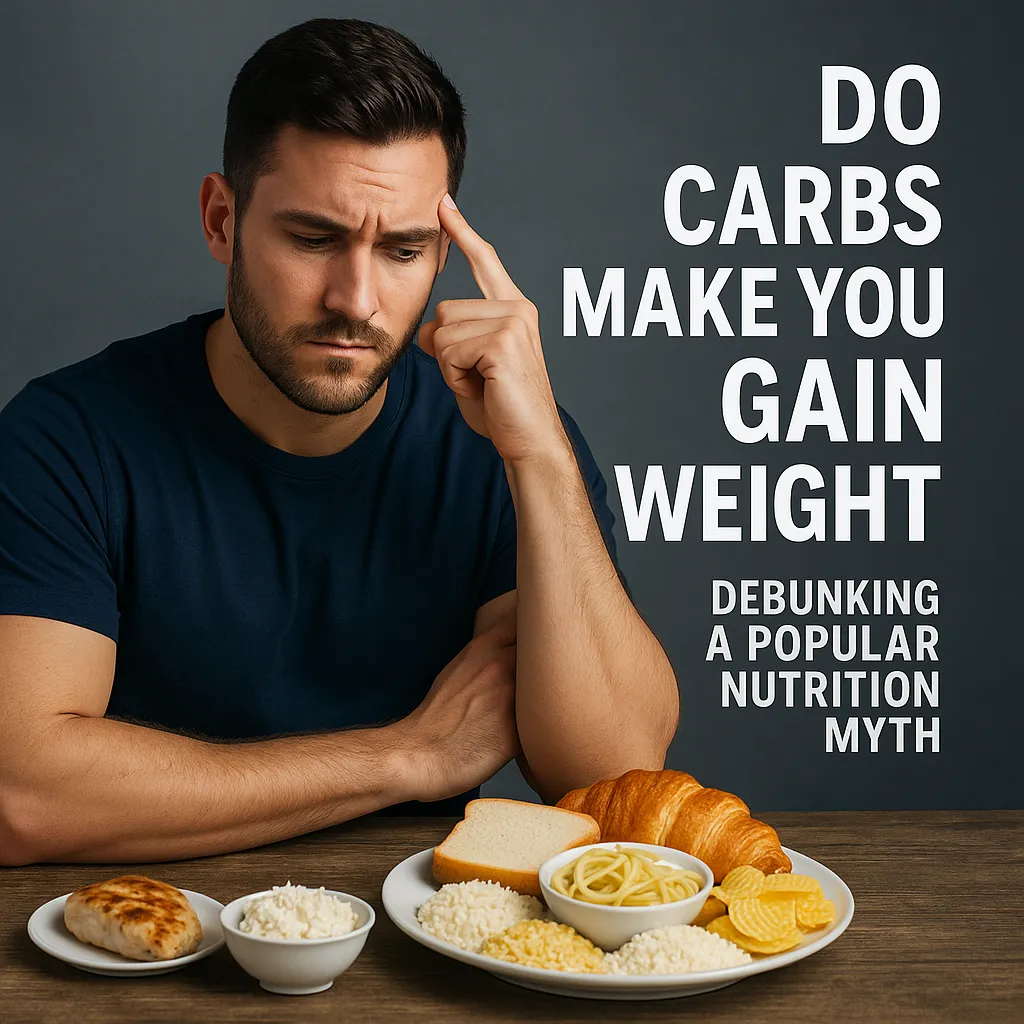
Do Carbs Make You Gain Weight? Debunking a Popular Nutrition Myth
Do carbohydrates make you gain weight? Many people trying to lose weight believe cutting carbs is the key—but this common myth can lead to unnecessary fatigue, poor performance, and rebound weight gain.
What Drives Fat Loss?
Carbs are often vilified as the cause of unnecessary weight gain, but weight gain or weight loss ultimately comes down to your total daily calorie intake. Put simply, if you consistently eat more than your body's total daily energy needs, whether that’s fat, carbohydrates or protein, you’ll gain weight—mostly body fat, unless you’re resistance training and eating with the goal of building muscle. However, when we match overall calories and protein to create a calorie deficit (less energy than your body's total daily energy needs) there is no significant difference in fat loss between eating more carbs and less fat or vice versa.
What Are Carbohydrates?
When you think of carbohydrates, think energy. Carbohydrates are your body’s primary fuel source, powering both everyday activities. Carbohydrates are often categorized as simple and complex, which defines their structure. Imagine carbs are a chain link; simple carbs would be one or two “links” and relatively easy to break down, providing a more rapid energy source. Complex carbs are going to have many “links” and take longer for your body to break down, providing a slower-released energy source. Complex carbohydrates also include fiber. There are many different types of fiber, but what’s important to know is fiber helps to keep you full, regulate bowel movements, lower cholesterol, and keep your gut healthy.
Examples of simple carbohydrates include:
Table sugar
Gatorade
Candy
Refined grains like white bread
Examples of complex carbohydrates include:
Whole grains - wheat, oats, wild rice, pasta
Vegetables
Fruits
Beans
Potatoes with skin
Do You Need Carbohydrates In Your Diet?
It’s often argued that carbs aren’t necessary because your body can make the energy it needs in other ways. While that’s true, you're missing the big picture. Let’s use a car as an example. Think of eating carbs like putting fuel in your fuel lines or blood stream to power your engine. When you use up all of that immediately available fuel or carbs your body has a reserve, just like a fuel tank called glycogen. Glycogen is primarily stored in your liver and your muscle and can continue to fuel your body fairly quickly. However, if you empty your gas tank there’s still other ways to get your car where you want it to go like calling a tow truck or a friend to bring you more gasoline. It’s just going to take longer for that friend or tow truck to get you the fuel you need, your body is no different.
When it comes to athletic performance whether that be resistance training, higher intensity cardio, or longer duration endurance events (1hr+) you want to keep your body topped off with carbohydrates to optimize performance. Importantly, as exercise intensity increases the more your body relies on carbohydrates for fuel. In other words, to allow yourself to train harder or longer, you want to be eating carbohydrates.
What About Sustainability?
One of the often-missed pieces of any dietary strategy is thinking through whether you can stick to it for the long term. As much as you may see magical claims about particular diet tactics, the reality is that all the magic is in consistency. Most individuals enjoy carbohydrates and their favorite foods contain them - pasta, potatoes, rice, you name it. Cutting out carbohydrates can create the potential for weight rebound by setting unrealistic restrictions that are difficult to stick to. It’s important to note that this isn't the case for every individual and you need to find what feels realistic for you. However, the military requires a certain level of physical activity and performance. If you don’t have the fuel to keep up and perform, it’s going to make your life much harder than it needs to be.
How Many Carbohydrates Do You Need?
Well, it depends. There truly isn’t a one size fits all answer because your performance goals, body composition goals, activity and preferences greatly impact this answer.
However, here are some good guidelines to go by:
Daily Carbohydrate Guidelines
Aim for 45-65% of energy intake (Calculate your estimated energy intake using the Mifflin St. Jeor Equation here by entering your age, sex, height, weight, and activity level - https://qxmd.com/calculate/calculator_846/mifflin-st-jeor-equation)
Based on activity
Light Activity (e.g., walking, low-intensity training): 3-5g/kg day
Moderate Activity (e.g., regular strength or cardio workouts): 5-7g/kg day
High Activity (e.g., intense training, long sessions): 6-10g/kg day
Very High Activity (e.g., multiple daily sessions, endurance events): 8-12g/kg day
Carbohydrate Timing Around Exercise
Before Exercise (1-4 hrs prior)
Aim for a carb-rich meal or snack
Example: oatmeal + banana, toast + peanut butter, or rice + lean protein
Choose foods that are familiar and easy to digest
During exercise (>60 minutes)
Target 30–60g of carbohydrates per hour
Use fast-digesting carbs (sports drinks, gels, bananas)
After Exercise (within 1-2hrs)
Eat a balanced meal with protein + carbs + healthy fats
This supports recovery, replenishes glycogen, and promotes muscle repair
Example: eggs, whole grain toast, and fruit
Bottom Line
Carbohydrates aren’t your fat-loss enemy, they’re your primary fuel source. Fat loss is about sustainable habits and total calorie intake, not cutting out entire food groups. Prioritize complex carbs like fruits, vegetables, and whole grains for most of your intake (80–90%), and leave room for simple carbs around training or in moderation (10–20%) for satisfaction and sustainability.
Ready to stop guessing and start building real results?
Learn More About Our Coaching Programs →